Shasta County Superior Court
Redding Criminal Defense Attorney
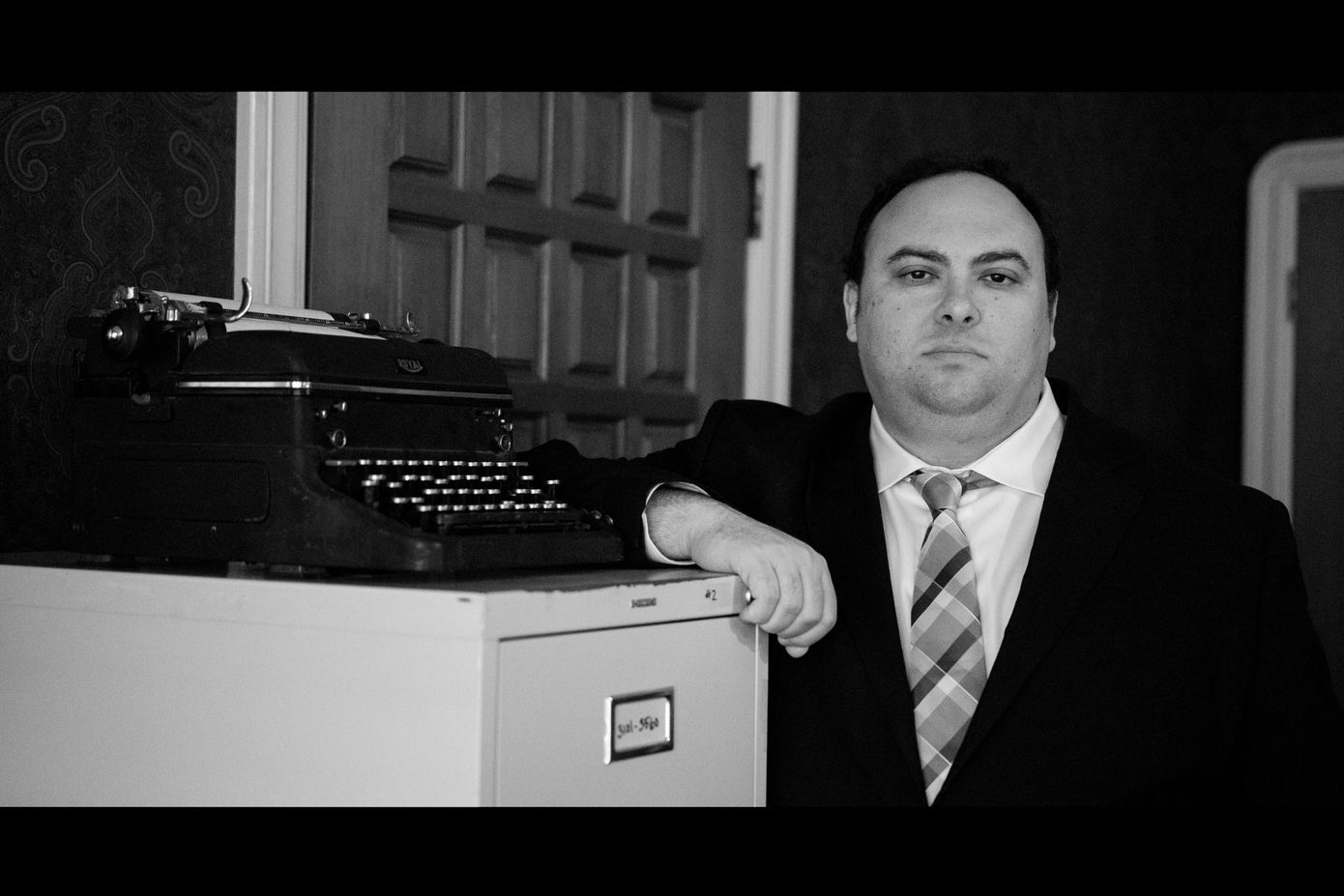
Jacob Levin is a criminal defense attorney in Redding, California, representing people charged with crimes throughout Shasta County. Every case is prepared as though it will be tried to a jury, because preparation shapes what a prosecutor is willing to offer long before a trial date is ever set.
Attorney at Law
What Happens After You Are Charged in Shasta County
An arrest is not a conviction. The days immediately after one matter more than most people expect, because that is when the version of events written in the police report begins hardening into the version everyone treats as true.
That window is where a defense is either built or lost. Independent investigation, letters preserving evidence before it is overwritten, and subpoenas to the third parties holding recordings, phone records, or surveillance footage all get harder every week they are delayed. Body camera video, business security footage, and call logs are routinely gone within a month.
You are also making decisions in that window without knowing what the file against you contains. What you say to an investigating officer becomes evidence. What you post becomes evidence. Declining to answer questions until you have counsel is not an admission of anything.
[CLIENT CONFIRM: Typical interval between arrest and arraignment in Shasta County, and whether counsel may appear on a client’s behalf at misdemeanor arraignment.] [CLIENT CONFIRM: Which Shasta County Superior Court location hears criminal arraignments, and any local practice a defendant should understand before a first appearance.]If you already have a court date, the Shasta County Superior Court guide walks through what happens at each stage.
Why Trial Readiness Changes Your Case
Most criminal cases resolve without a jury. That is not an argument for preparing less. It is the reason preparation matters at all.
Many attorneys rarely take a case to trial. Every case in this practice is prepared as though a jury will decide it: independent investigation from the first week, motions filed rather than waived, witnesses cross-examined rather than accepted, and a defense theory developed early instead of assembled the week before a trial date.
Prosecutors know which attorneys are actually prepared to try a case. That knowledge is present in every negotiation, whether anyone says it out loud or not. A file that looks ready for a jury is valued differently than one that does not, and that difference shows up in what gets offered.
Let others settle.
Charges Defended in Redding and Shasta County
Felony and misdemeanor representation across the charges most often filed here. Start with criminal defense for how a case moves through the system, or go straight to your charge.
How a Case Is Prepared Here
Four commitments that apply to every matter, from a first misdemeanor to a felony trial.
Question what others accept
Officers, witnesses, and prosecutors all form conclusions about what happened. Conclusions are not evidence. Every report and every statement gets examined to see whether the facts actually support the accusation, or whether something was skipped.
Prepare every case for trial
Independent investigation, strategic motions, thorough cross-examination, and a trial strategy developed from the beginning rather than improvised at the end.
Strategy before emotion
Criminal defense is not about making the loudest argument. It is about making the right argument at the right time, and knowing which moments in a case are the ones that actually decide it.
A fast resolution is not always the right one
Sometimes a negotiated resolution is genuinely the better path. Sometimes it is not. The job is identifying which, rather than moving every client toward whichever outcome closes the file soonest.
Have You Been Served With a Restraining Order?
A restraining order is decided at a hearing, and that hearing arrives quickly. If you have been served, you have the right to appear, present evidence, call witnesses, and cross-examine the person who filed against you.
Most respondents go to that hearing alone and try to explain themselves to the judge. Explaining is not the same as presenting a defense. The two produce very different records, and the record is what follows you afterward.
An order can affect firearm rights, a pending custody case, housing, employment, and professional licensing, and it can do so for years after the hearing ends. California also treats each type differently, with its own statute, evidentiary rules, and burden of proof.
Responding to a domestic violence restraining order covers the defense side in detail. If you are the person seeking protection, restraining order representation covers that work as well.
Where I Practice
The office is at 1308 Placer Street in Redding, a short distance from the courthouse. Representation covers Shasta County.
[CLIENT CONFIRM: Full service area city list, and whether matters in Tehama, Trinity, or Siskiyou County are accepted. See confirmation set, item B6.]Charges filed within the city, and the court that hears them.
Anderson, Shasta Lake, Cottonwood, Palo Cedro, and the surrounding communities.
Common Questions
Do I need a lawyer for a first DUI in Shasta County?
A first DUI is a criminal charge with consequences that outlast the case itself, including license restrictions, insurance changes, and a record an employer can see. There is also a separate administrative process with the DMV that runs on its own short deadline, independent of the criminal case, and it is the one people most often miss.
Whether to hire counsel is your decision, but both tracks move fast, and the DMV deadline in particular does not wait for your first court date. More on DUI defense.
What happens at a domestic violence restraining order hearing?
Both sides appear. The petitioner presents their evidence, the respondent may present evidence, call witnesses, and cross-examine, and the judge decides whether the legal standard for that specific type of order has been met. A temporary order issued before the hearing is not a final decision, it is the beginning of the case rather than the end of it.
Hearings move quickly, often faster than people expect, and the record made there is difficult to revisit afterward.
Can a restraining order be denied?
Yes. A petition is a request, not a finding. The petitioner carries the burden of proof, and the standard differs depending on whether the order sought is a domestic violence, civil harassment, elder abuse, workplace violence, or gun violence order. Whether any particular petition succeeds depends entirely on the evidence and the specific facts before the court.
Should I talk to the police before I have a lawyer?
You have the right to decline questioning and the right to counsel. Exercising either is not evidence of guilt and cannot be used against you as such. People frequently believe they can clear things up in a conversation, and instead supply the statement that becomes the centerpiece of the case against them.
If you are contacted by an investigator, you can say you would like to speak with an attorney first, and then stop.
How long does a criminal case take in Redding?
It depends on whether the charge is a misdemeanor or a felony, whether a preliminary hearing is held, how much investigation the defense undertakes, and whether the case resolves or is set for trial. Timelines vary widely, and a case prepared carefully sometimes takes longer than one resolved quickly, which is often the correct trade.
[CLIENT CONFIRM: Realistic timeline ranges for misdemeanor and felony matters in Shasta County, so this answer can carry local specifics rather than general California information.]What should I bring to a consultation?
Any paperwork you have been given: the citation, the police report if you received one, bail paperwork, the restraining order petition and any temporary order, and anything with a court date printed on it. Screenshots of relevant messages are useful. If you do not have documents yet, that is fine, come anyway.
[CLIENT CONFIRM: Consultation format, booking process, and any screening step. See confirmation set, item B5.]More on the practice and its background: about Jacob Levin. Recent writing on defense and hearings: insights and case notes.
Selected Outcomes
Case Results
Outcomes are described in the abstract, without client names or identifying details. Each depended entirely on its own facts.
[CLIENT CONFIRM: Results below are pending attorney clearance. See confirmation set, section D. Nothing on this page publishes before that clearance returns.]Client charged with two counts of driving under the influence. A rising blood alcohol defense established that the client would have been under the legal limit at the time of driving. The jury returned not guilty verdicts on both counts.
Client charged with domestic violence and resisting arrest. Cross-examination of the prosecution’s own witness produced testimony supporting the defense theory, and a Fourth Amendment jury instruction was drafted and argued on the legality of the officers’ conduct. Not guilty on all counts.
Client responded to a restraining order petition. Messages and video obtained during the defense investigation contradicted the account presented in the petition. After the evidence was presented, the order was denied.
Client charged with a serious felony. Months of independent investigation produced evidence that the prosecution’s central factual premise was wrong. The charge was dismissed.
Prior results do not guarantee a similar outcome. Every case depends on its own facts and circumstances.
Consultations
Talk Through Your Case
If you have been charged, served, or contacted by an investigator, the sooner a defense begins the more of it there is to build. Consultations are available.
Contacting Jacob Levin Law, by telephone or through this website, does not create an attorney-client relationship. Please do not send confidential information through this site or by email until an attorney-client relationship has been established in writing. Communications sent before that point may not be protected as confidential.